‘Sunshine’ Ligustrum (Ligustrum sinense ‘Sunshine’) is a standout evergreen shrub prized for its year-round golden foliage, compact habit, and easy-care nature. Whether you’re designing a bold hedge or adding color to containers, this versatile ligustrum brings bright, clean structure without flowers or fruit. Use these Sunshine Ligustrum frequently asked questions to learn where it grows best, how to care for it, and smart ways to showcase it in the landscape.
General Information
What makes Sunshine Ligustrum unique?
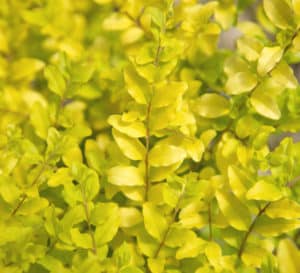
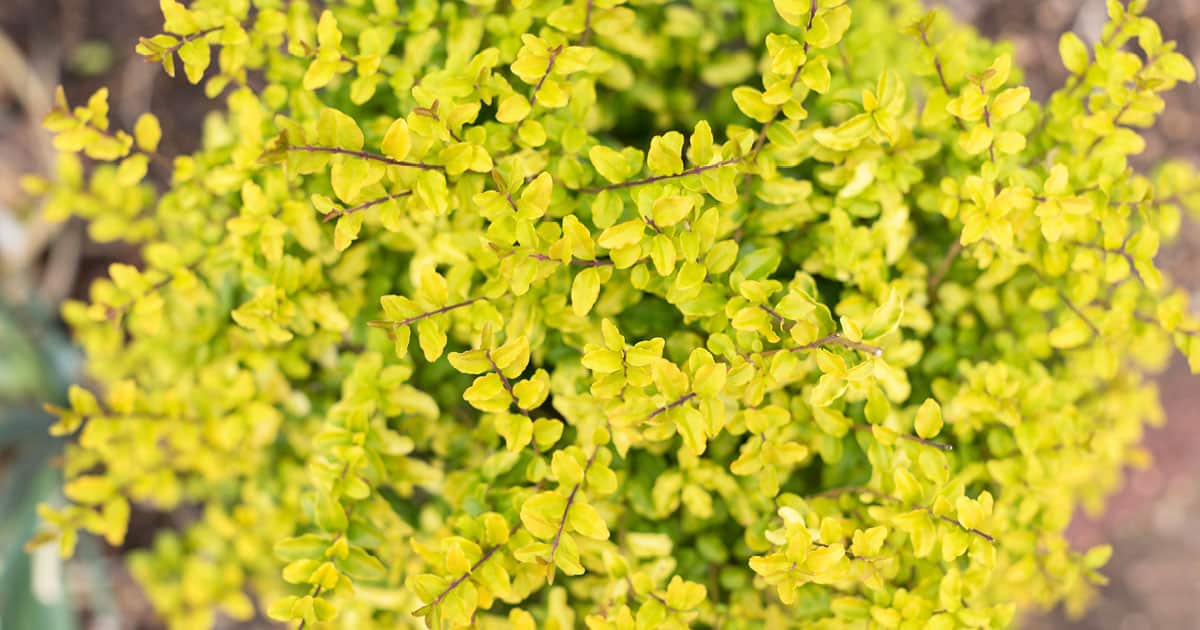
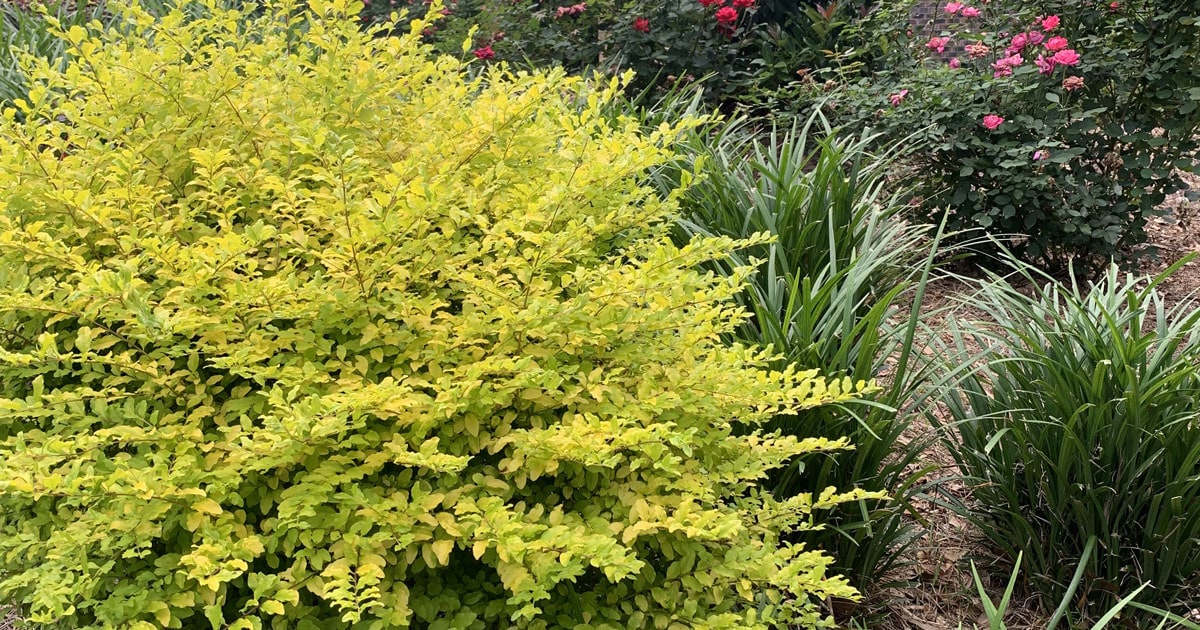
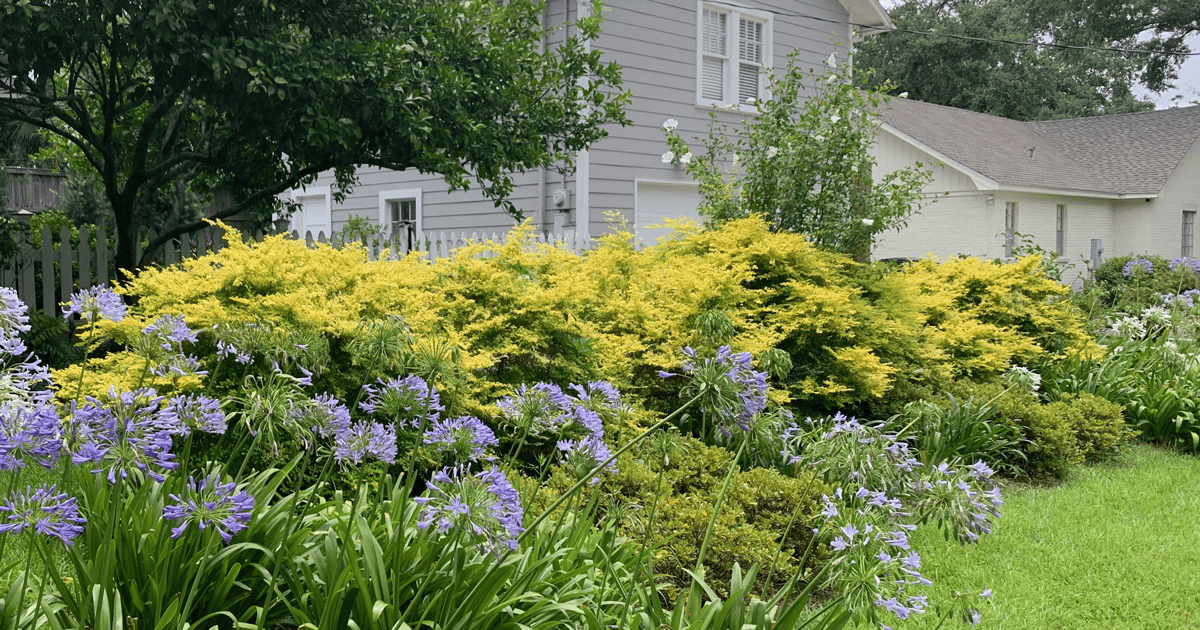
Sunshine is a sterile, noninvasive ligustrum shrub selected for its vivid chartreuse-to-golden yellow foliage. It keeps a dense, mounded shape and does not produce flowers or berries, which means no unwanted reseeding and no messy fruit drop. Mature plants typically reach 3 to 6 feet tall and wide, depending on climate, placement, and pruning. That naturally tidy habit makes it a strong choice for borders, foundation plantings, and massed color.
What benefits does Sunshine Ligustrum bring to the landscape?
Sunshine Ligustrum offers year-round color, tidy structure, and low maintenance. Because it is sterile, it does not produce nuisance seedlings or berries. It adds brightness in every season, helps anchor planting designs, and often needs less upkeep than many flowering shrubs. Deer resistance is moderate to good in many areas, though browsing will vary by region and season. It’s an easy-care choice that feels polished and dependable.
Where does Sunshine Ligustrum grow best?
For the brightest color, plant Sunshine Ligustrum in full sun, with at least 6 hours of direct light each day. It tolerates light shade, though foliage may become greener in lower light. Sunshine adapts to sandy or loamy soil as long as drainage is good. Once established, it is drought tolerant, but regular moisture supports the richest foliage color and densest growth. It performs well across much of the Southeast and other warm regions and is generally hardy in USDA Zones 6b through 10. In the coldest parts of its range, Sunshine Ligustrum is semi-evergreen and benefits from protection from harsh winter wind.
How does climate affect performance?
Sunshine Ligustrum handles heat and humidity well. In very hot inland areas, a little afternoon shade can help prevent leaf scorch. In cooler parts of its hardiness range, plant it in a protected microclimate, such as near a south-facing wall or in a spot sheltered from winter winds, to help evergreen foliage hold up better through winter.
How is Sunshine different from other ligustrum varieties?
Many ligustrum varieties have glossy green leaves and produce white spring flowers followed by berries. Sunshine is different because it is sterile, so it does not flower or fruit. It also offers bright golden foliage and a naturally compact habit. Compared with larger green privet types often used for tall hedges, Sunshine stays smaller and adds much more color to the landscape.
Caring for Sunshine Ligustrum
How often should I water Sunshine Ligustrum?
Water new plantings deeply 1 to 2 times per week during the first growing season, adjusting for rainfall, temperatures, and soil type. After establishment, usually around one year, water during extended hot or dry periods. Let the top inch of soil dry slightly between waterings, since consistent but moderate moisture supports the best foliage color. Avoid soggy soil, which can lead to root problems.
Does Sunshine Ligustrum need fertilizer?
Feed in early spring with a balanced, slow-release fertilizer formulated for shrubs. In poor soil, a light midsummer feeding can help maintain vigor. Water well after fertilizing, and avoid overfeeding, which can encourage overly soft growth. A 2- to 3-inch layer of mulch helps conserve moisture and moderate soil temperatures, but keep mulch a few inches away from the stems.
What’s the best way to prune Sunshine Ligustrum?
Sunshine Ligustrum responds well to pruning and can be maintained as a formal hedge or allowed to grow in a more natural shape. For a neat, tailored look, shear lightly in late winter or early spring, then touch up as needed during the growing season. For a softer appearance, use hand pruners to selectively thin stems and allow light into the center of the plant. Remove any winter-damaged growth after the last frost. Avoid heavy pruning in late fall, since that can stimulate tender new growth before cold weather arrives. When shaping a hedge, keep the top slightly narrower than the base so sunlight reaches the entire plant.
Are there common pests or diseases?
Sunshine Ligustrum is relatively trouble-free. Occasional pests may include aphids, whiteflies, or scale, especially on stressed plants. Aphids and whiteflies can often be managed with a strong spray of water or insecticidal soap. Scale may be treated with horticultural oil during the dormant season. In prolonged humidity, fungal leaf spots can appear. Improve air circulation, water at the base, and avoid wetting foliage late in the day. Most root issues are tied to poor drainage, so well-drained soil is essential.
Why might Sunshine Ligustrum lose its leaves?
Sunshine Ligustrum may lose leaves for several reasons, and not all of them signal lasting damage. The most common causes include overly wet soil or poor drainage, drought stress while the plant is getting established, normal seasonal shedding in late winter or early spring, spider mites or other pests, and fungal issues tied to excess moisture or poor airflow. In many cases, if the stems are still green and alive, the shrub can recover once the source of stress is corrected. Start by checking drainage and soil moisture, inspecting the undersides of leaves for pests, and clearing away fallen foliage around the base. For more detailed troubleshooting and recovery tips, read Why Is My Sunshine Ligustrum Losing Leaves? The guide notes that flexible green stems or green tissue beneath the bark are good signs the plant may flush back out with new growth.
How does Sunshine Ligustrum handle cold and heat?
At the edge of its hardiness range, protect the root zone with winter mulch and avoid late-season fertilizing. In high-heat areas, regular irrigation and a bit of afternoon shade can help preserve foliage quality. Growth may slow in more extreme conditions, but with proper siting and light pruning, plants usually maintain a clean, refined form.
Landscape Uses and Benefits
Where should I plant Sunshine Ligustrum?
Plant Sunshine where its golden foliage can catch the light, such as near front entries, along walkways, or against darker evergreens or brick for contrast. It works beautifully as a low hedge, in mass plantings, or as a bright structural accent in mixed borders. In containers, use a well-draining potting mix and pair it with trailing or darker-toned companions for balance.
What are some design ideas for Sunshine Ligustrum?
Try these easy ways to use Sunshine in the landscape:
- Create a luminous low hedge by spacing plants 3 to 4 feet apart, depending on how quickly you want it to fill in.
- Repeat it in groups through planting beds to guide the eye and unify the design.
- Use it near patios or pools for bold color without messy blooms or fruit.
- Pair it with deep green or burgundy foliage for dramatic contrast.
Which plants pair well with Sunshine Ligustrum?
Choose companion plants with similar light and soil needs that help highlight Sunshine’s golden foliage. Good pairings include boxwood, dwarf yaupon holly, loropetalum, Indian hawthorne, abelia, and ornamental grasses like purple fountain grass. Perennials such as salvia, coneflower, and daylily add texture and bloom. Cool-toned evergreens like juniper or arborvitae create crisp contrast, while dark-leaved shrubs make the golden foliage look even brighter.
How far apart should I space plants, and how fast do they grow?
For a solid hedge, space plants about 3 feet apart. For individual shrubs, allow 4 to 6 feet of space so they can reach their mature width. Sunshine Ligustrum has a moderate growth rate and usually fills in noticeably within 1 to 2 growing seasons under good conditions.
Quick Reference
| Botanical name | Ligustrum sinense ‘Sunshine’ |
|---|---|
| Light | Full sun for best color; More shade = more green |
| Soil | Well-drained; adapts to sandy to loamy soils |
| Water | Regular water to establish; drought-tolerant once established |
| Hardiness | Evergreen in USDA Zones 7-10; semi-deciduous in USDA Zone 6 gardens |
| Size | Typically 3–6 feet tall and wide |
| Notable traits | Sterile, noninvasive, evergreen, golden foliage, low maintenance |