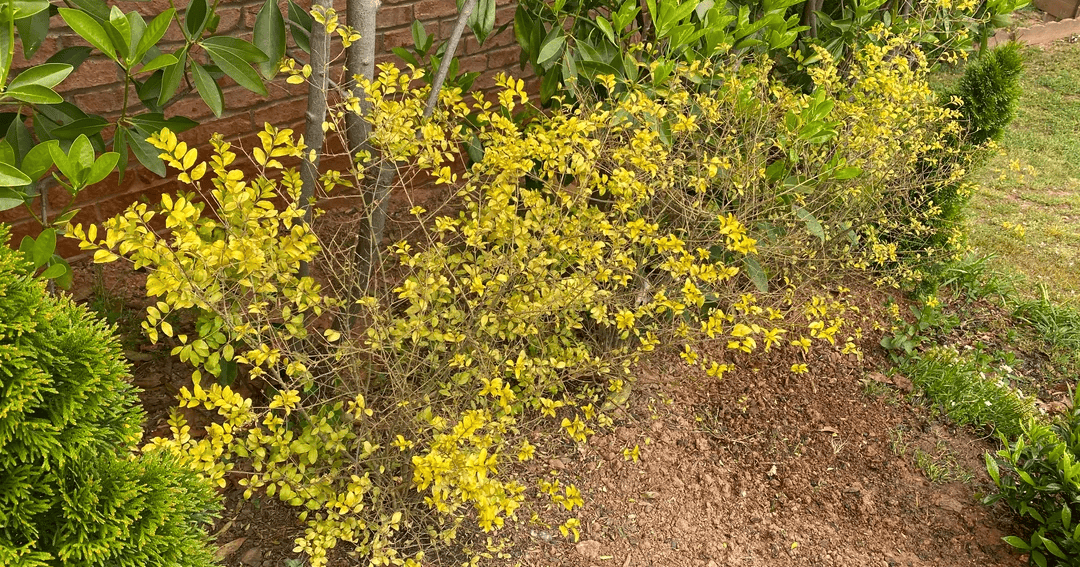
If your Sunshine Ligustrum is dropping leaves, don’t panic. ‘Sunshine’ Ligustrum is known for its bright golden foliage and easygoing nature, so it can be alarming when those cheerful leaves start to fall. But leaf drop does not always mean your shrub is in serious trouble. In many cases, it is simply responding to stress, weather swings, or a care issue that can be corrected.
If the stems are still alive and the plant is otherwise healthy, there is a good chance it will flush back out with fresh growth. Here are the most common reasons Sunshine Ligustrum may lose leaves and what to do next.
1. Too Much Water or Poor Drainage
One of the most common causes of leaf drop is soil that stays too wet. Sunshine Ligustrum likes consistent moisture while it is getting established, but it does not want soggy roots. When soil drains poorly or the plant is watered too often, the roots can become stressed and struggle to support healthy foliage.
You may notice yellowing leaves, limp growth, or leaves dropping all at once. If the soil feels wet day after day, excess moisture may be the issue.
What to do:
Check the soil before watering and make sure it is not staying constantly damp. Improve drainage if needed, and avoid planting in low spots where water tends to collect.
2. Underwatering or Stress During Establishment
Newly planted shrubs can also drop leaves when they dry out too much. Even tough landscape plants need regular water while they settle in. Hot sun, reflected heat, drying winds, and inconsistent watering can all add stress, especially during the first season.
If your Sunshine Ligustrum was planted recently, leaf drop may be its way of reacting to transplant stress while it works on building roots.
What to do:
Water deeply and consistently, especially during dry spells. The goal is to keep the root zone evenly moist—but not waterlogged—while the plant gets established.
3. Seasonal Shedding
Sometimes, leaf drop is simply part of the plant’s natural cycle. Sunshine Ligustrum can shed some older foliage in late winter or early spring as fresh new growth begins to emerge. A little thinning during this transition is usually nothing to worry about.
This is especially true after a cold snap or a stretch of fluctuating temperatures.
What to do:
Give it a little time before assuming the worst. If the stems are still flexible and green inside, and you can see buds or new growth starting, your shrub is likely just refreshing itself for the season ahead.
4. Spider Mites or Other Pests
Tiny pests can also cause leaf loss, especially when the weather is hot, dry, and stressful. Spider mites are small and easy to miss, but they can cause stippling, speckling, dull foliage, and premature leaf drop. Sometimes leaves may show dark spotting or look tired and dusty before they fall.
What to do:
Check the undersides of leaves for signs of pests. If needed, treat with horticultural oil and follow label directions carefully. Catching pest problems early can help prevent more serious damage.
5. Fungal Problems
If your plant is in a high-moisture area or has poor air circulation, fungal issues may also be to blame. Leaf spotting and root-related problems can weaken the plant and lead to foliage drop, especially when fallen leaves and debris are left sitting under the shrub.
What to do:
Remove dropped leaves from around the base of the plant and avoid overhead watering when possible. Keeping the area clean and improving airflow can help reduce future problems.
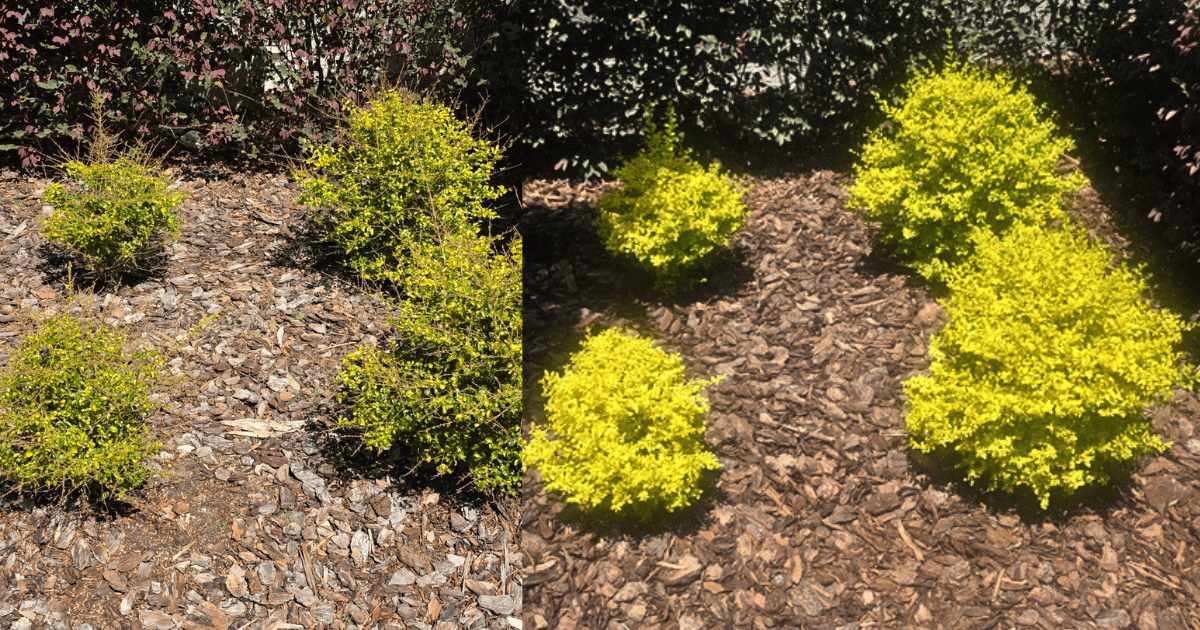
How to Help Sunshine Ligustrum Recover
If your shrub is losing leaves, start with the basics before making any major changes.
1. Water wisely
Aim for a steady watering routine, but let the soil begin to dry slightly between waterings. Avoid extremes in either direction.
2. Check the roots and soil
If the plant seems stressed, look closely at drainage. Wet soil that lingers too long can cause more trouble than a brief dry spell.
3. Inspect for pests
Take a look at both sides of the foliage and along the stems. Early treatment is much easier than waiting until the plant is heavily stressed.
4. Feed at the right time
A slow-release fertilizer in late winter or early spring can support healthy new growth when the shrub is ready to leaf out.
5. Prune lightly
Trim out damaged or clearly dead growth once new growth begins. Light pruning can help tidy the shape and encourage a fresh flush.
6. Clean up debris
Fallen leaves under the plant can hold moisture and create a better environment for disease. A quick cleanup goes a long way.
Will It Grow Back?
In many cases, yes. If the woody stems are still alive, Sunshine Ligustrum often rebounds once the stress is corrected and the growing season gets underway. Before giving up on it, do a simple scratch test on a small stem. If you see green beneath the bark, there is still life there.
This golden shrub may be showing out a little less than usual right now—but with the right care, it can often return to its bright, cheerful self.
Photo source: Reddit user cchiranjeeb