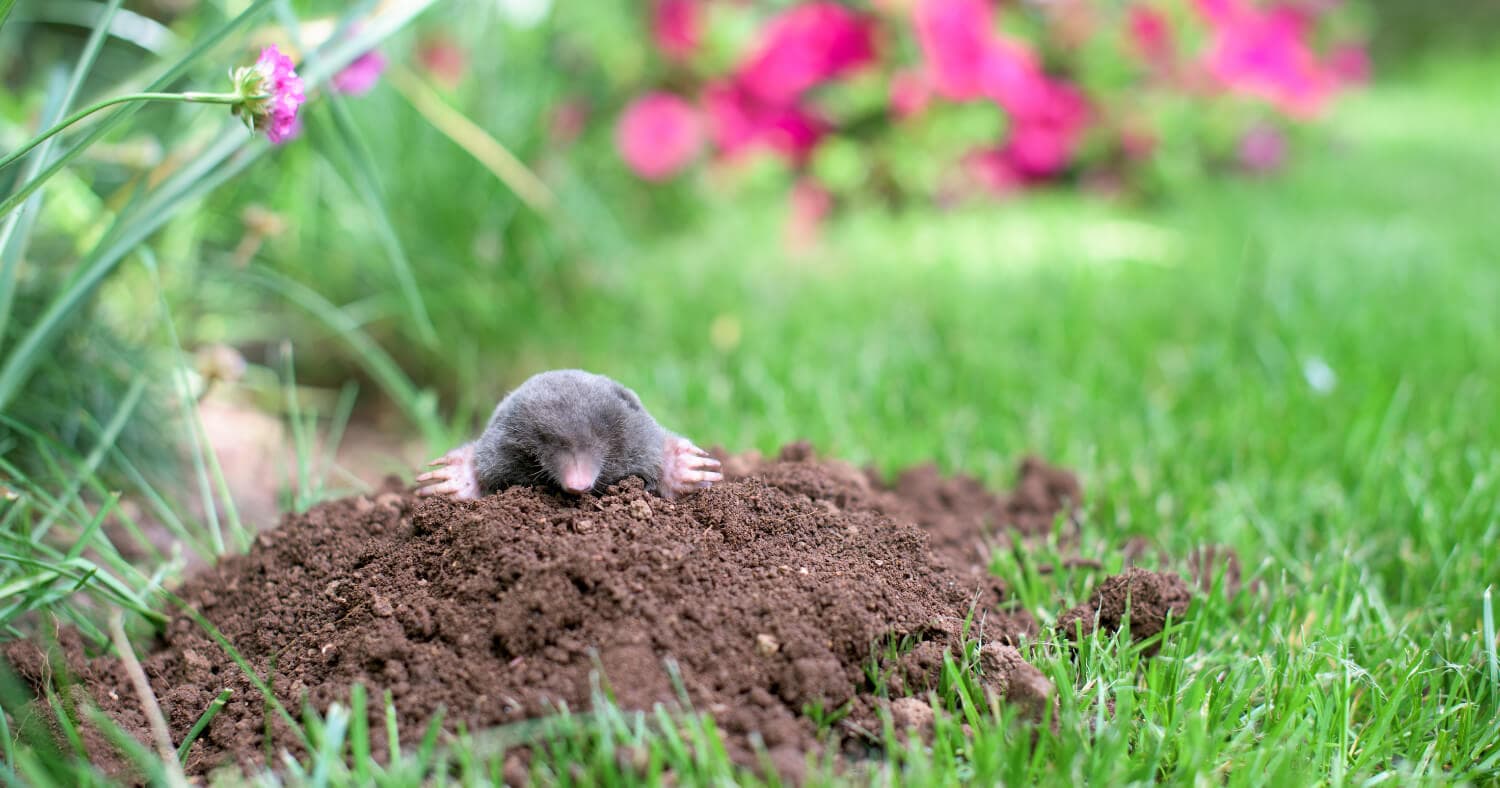
Moles can make a real mess of a garden. Their tunnels create soft ridges through beds and lawns, disturb roots, and leave planting areas looking uneven almost overnight. But as frustrating as they are, moles usually are not feeding on your flowers, shrubs, or vegetables. Most of the damage comes from tunneling, not chewing. Moles move through the soil in search of earthworms and other underground prey, and that activity can shift soil around roots and make garden beds harder to manage. This means that plant choice alone is not a complete solution.
The best strategy is to think of plants as one piece of the puzzle. If moles are active in your yard, combine smart plant selection with practical steps like monitoring fresh runs, avoiding overly wet soil, and protecting high-value beds with barriers. With the right approach—and the right plants—you can create a garden that looks good, grows strong, and feels like home, starting with varieties you can find at your local garden center.
Set Realistic Expectations First
Before choosing plants, it helps to know what they can and cannot do.
Planting a few specific ornamentals will not stop moles from entering a yard. There is no reliable “magic plant” that sends them packing. Instead, the best plants for mole-prone areas are usually those that perform well in the landscape, provide fuller coverage, and fit into a broader plan for reducing damage.
Plants That Can Work Well in Gardens With Mole Activity
These plants are not proven mole repellents, but they can be useful in beds where you want durable structure, strong ornamental value, and less bare soil.
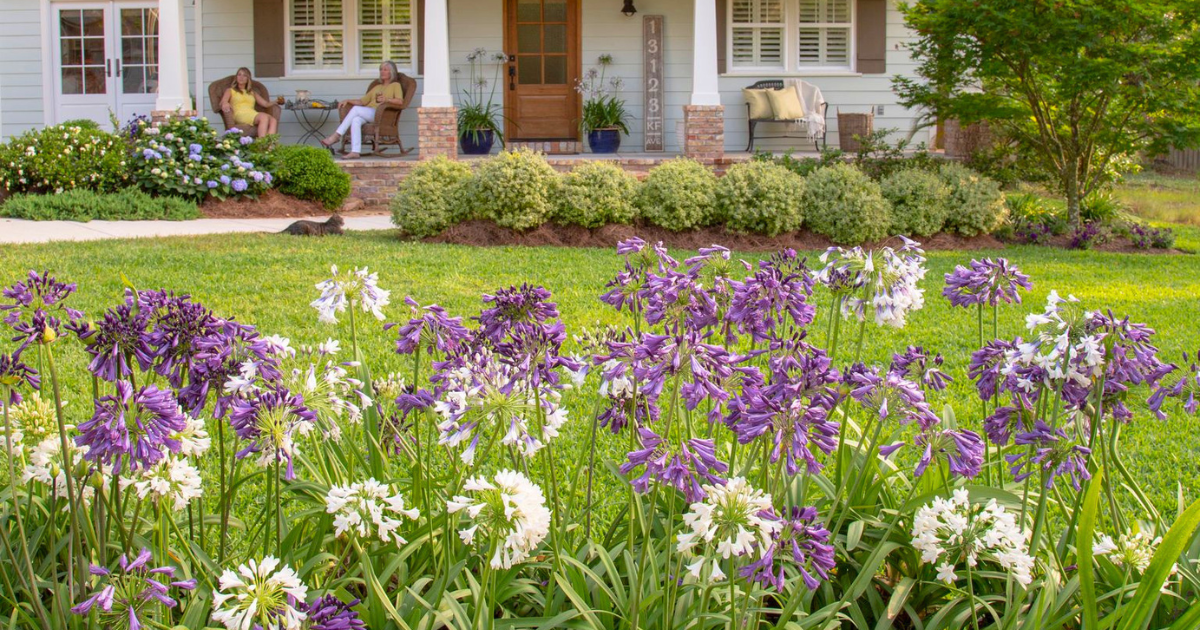
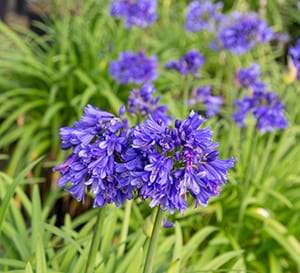
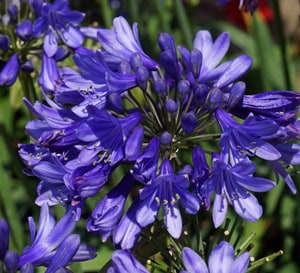
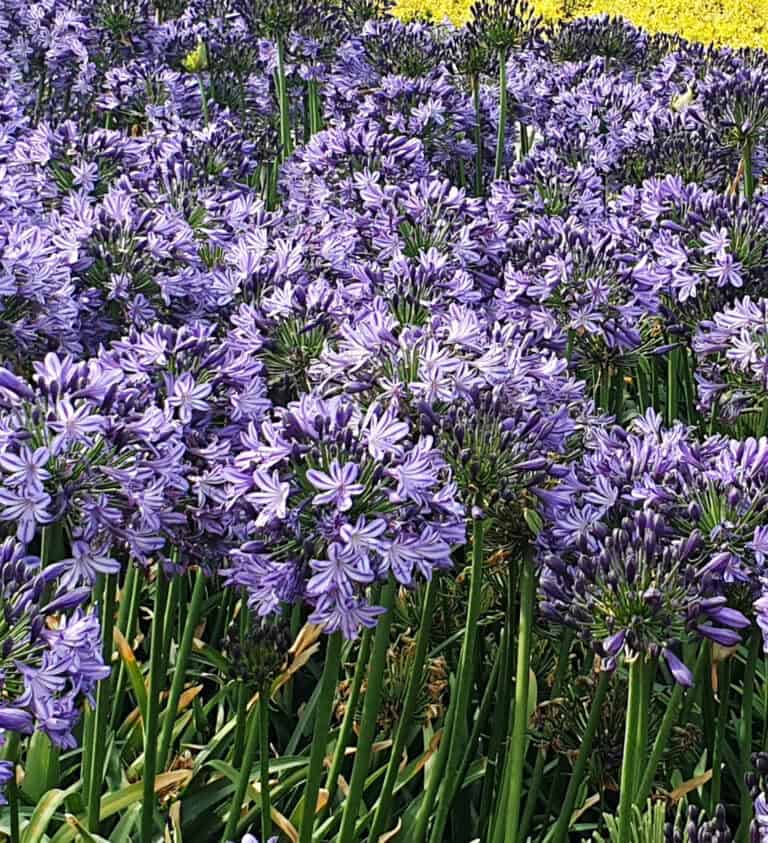
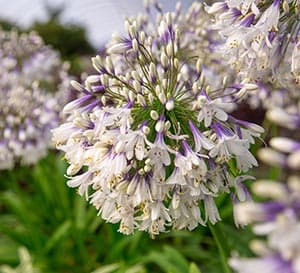
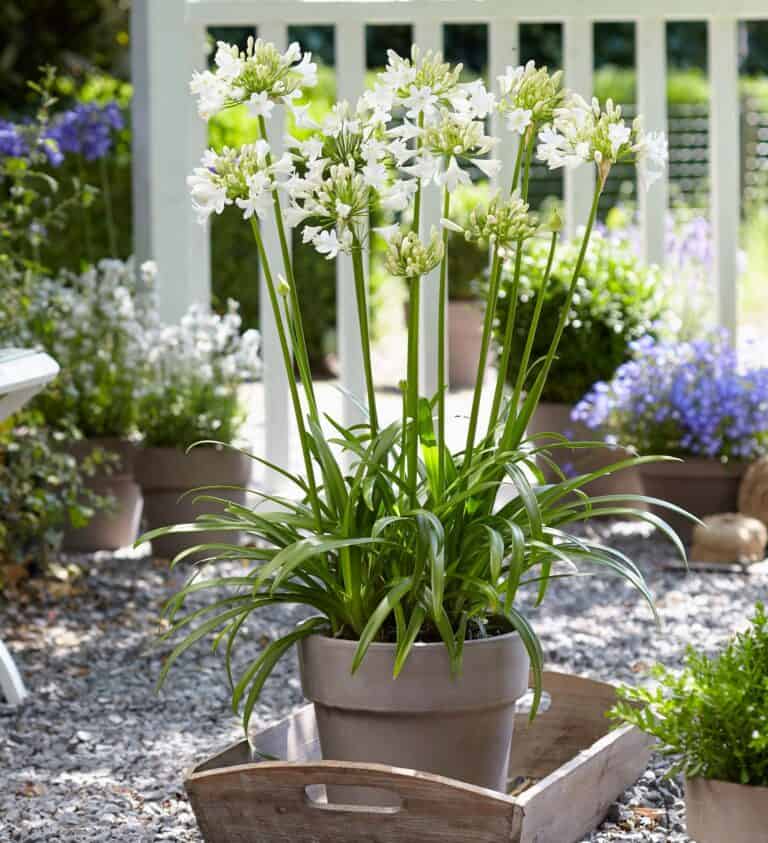
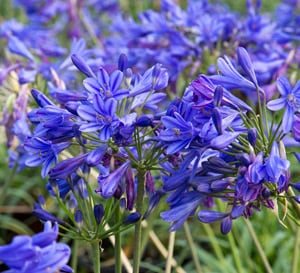
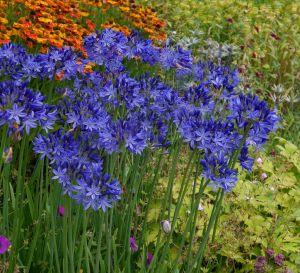
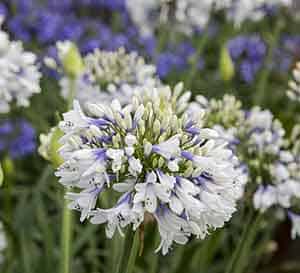
Agapanthus
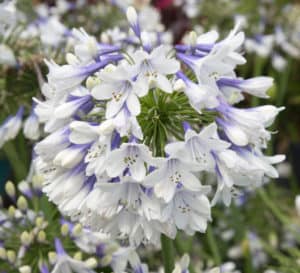
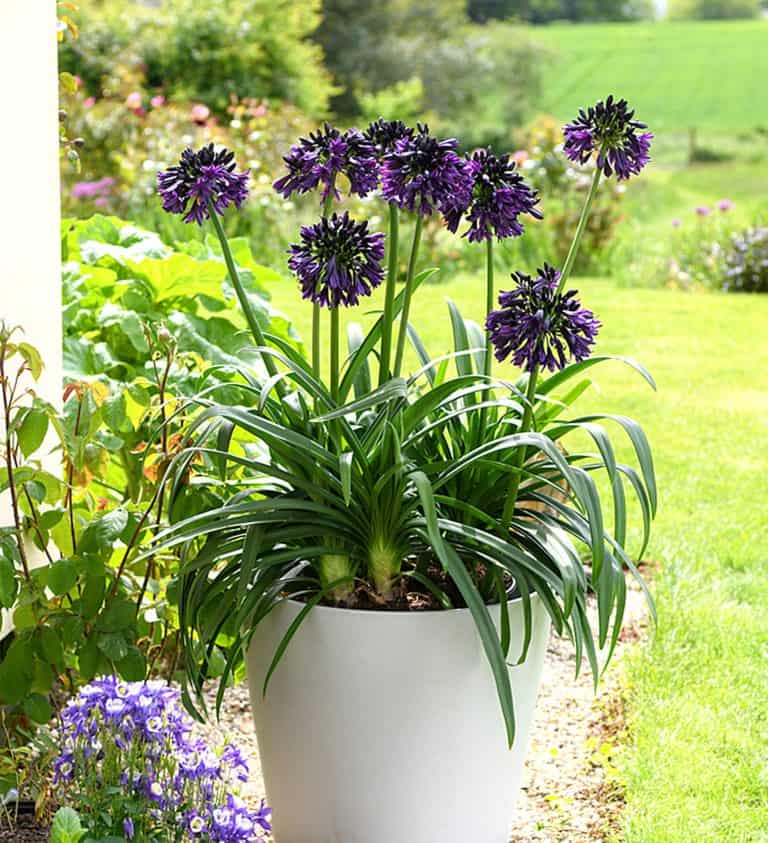
Agapanthus brings bold form to the garden with its strappy foliage and rounded clusters of blooms. It works especially well in borders, foundation plantings, and sunny mixed beds where you want a clean, architectural look.
Because agapanthus forms dense clumps over time, it can help fill in open sections of soil in ornamental beds. That does not make it a true mole deterrent, but in gardens with occasional mole activity, fuller plantings may be easier to manage than large areas of loose, exposed ground.
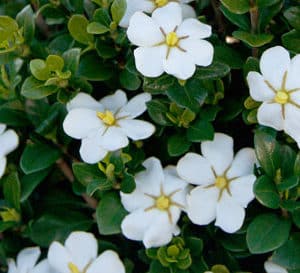
Better Boxwood® Varieties
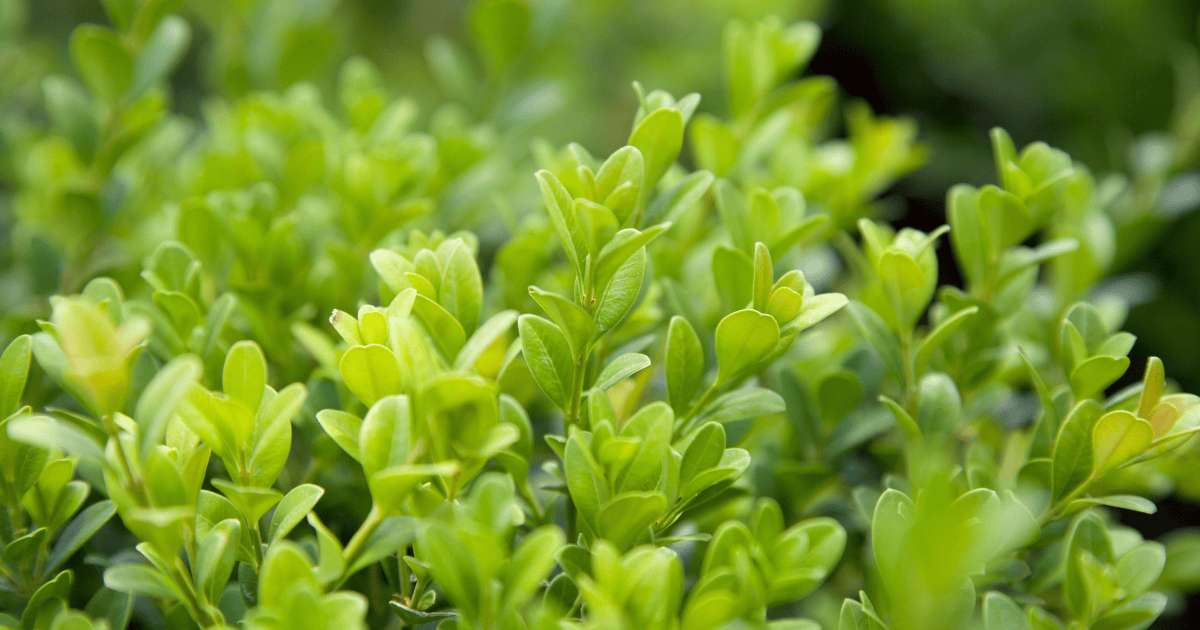
Boxwoods are a classic choice for structure. Whether used to edge a bed, anchor a foundation planting, or shape a formal garden, it adds year-round presence and a tidy, evergreen look.
While boxwoods should not be thought of as a proven way to repel moles, they can still play a useful role in beds where you want permanence and definition.
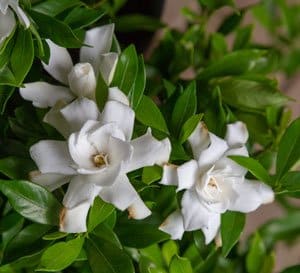
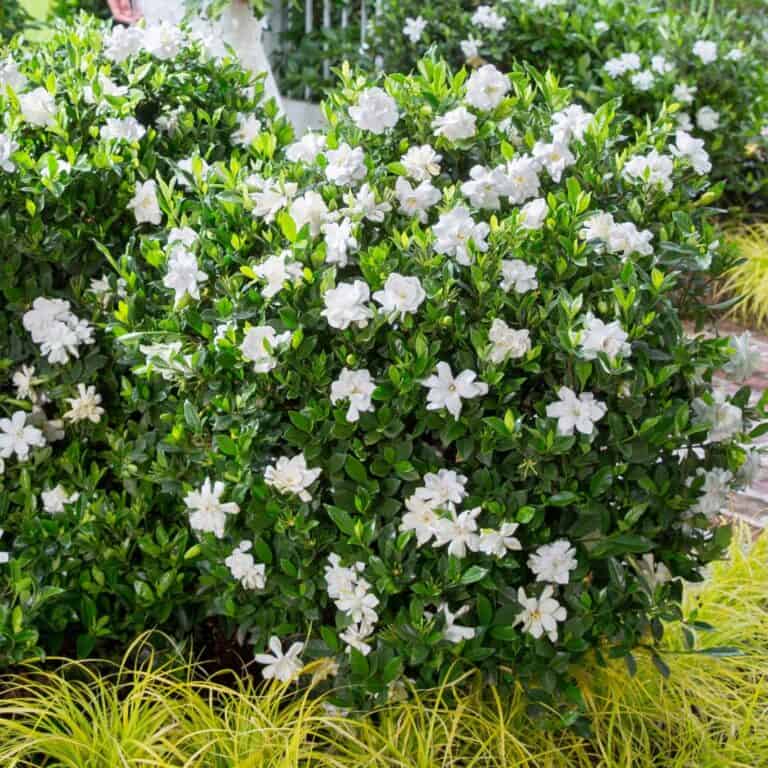
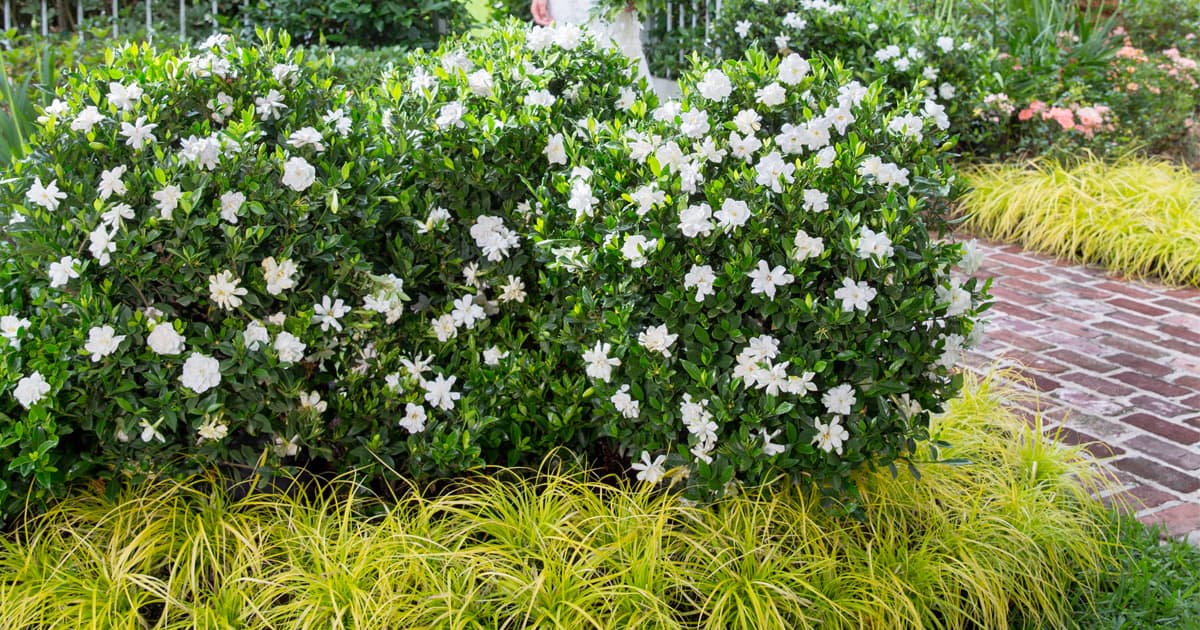
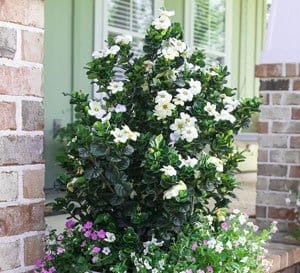
Gardenias
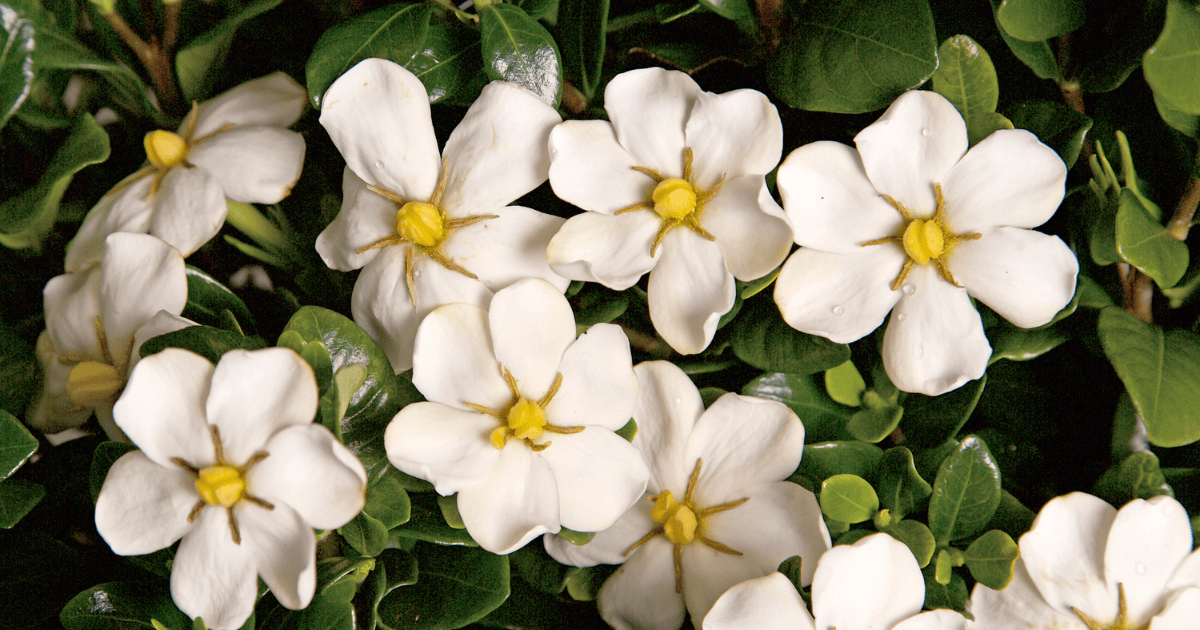
Gardenias earn their place in the garden with glossy evergreen leaves, creamy blooms, and unmistakable fragrance. They are a favorite in Southern landscapes for good reason and can bring richness and softness to foundation beds and mixed borders.
In a garden where moles are active, gardenias are best chosen for their ornamental value rather than as a pest solution. Like other well-placed shrubs, they can help create fuller planting areas, but they should not be expected to keep moles away on their own.
What Else Can You Do?
If moles are already active in your garden, practical steps will usually do more than plant choice alone.
Protect High-Value Areas
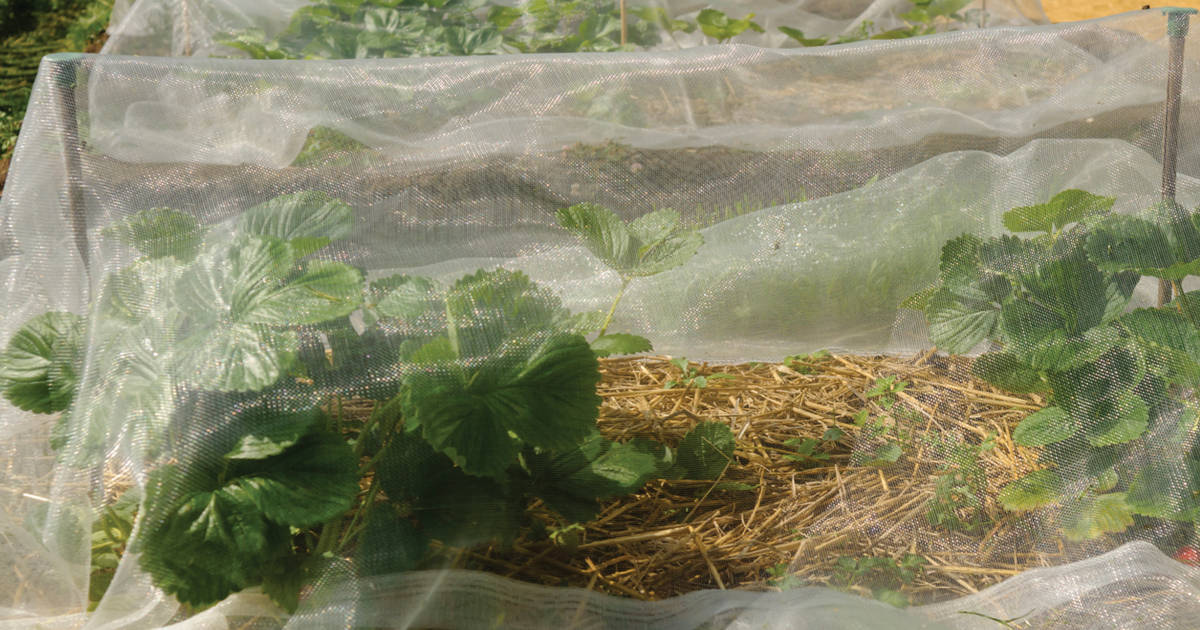
If there are certain beds, bulbs, or vegetables you really want to protect, physical barriers are often the most dependable option. Raised beds or planting areas lined with hardware cloth can help limit tunneling where it matters most. This approach is not always practical for an entire yard, but it can make a big difference in the areas you care about most.
Avoid Overwatering
Moist soil supports the worms and other underground life moles feed on. Keeping the garden constantly wet can make the soil more attractive over time, so it is worth watering carefully and only as needed. Good watering habits will not eliminate moles, but they may help reduce how inviting certain areas feel.
Watch for Active Runs
One simple way to monitor mole activity is to flatten a raised surface tunnel and check it later. If the run is pushed back up quickly, you are likely seeing active use. This can help you tell the difference between old damage and a current problem, which is useful before taking further action.
Focus on Reducing Damage
For many gardeners, the most practical goal is not making the entire yard mole-free. It is protecting key planting areas and keeping damage manageable.
That shift in mindset can make the problem feel much less overwhelming. Instead of expecting ornamental plants to solve everything, build a garden plan that is resilient, attractive, and easier to maintain even when moles pass through.
Do Not Count on Grub Control Alone
It is tempting to assume that if you remove grubs, the moles will disappear too. However, moles feed on more than grubs, including earthworms and other soil-dwelling prey. Treating for grubs is often ineffective and can lead to the unnecessary use of insecticides.
Moles are disruptive, but they do not have to derail your garden plans. The most helpful approach is to choose plants for beauty, performance, and bed coverage while using a few practical methods to protect the spaces you value most. Agapanthus, boxwoods, and gardenias can all work well in gardens where moles are active, but they should be seen as landscape plants first, not guaranteed repellents. When paired with thoughtful design and realistic control strategies, they can still be part of a garden that feels full, resilient, and enjoyable to tend!
If you’re looking to refresh your space, start with plants that do more than just look good—choose varieties that offer structure, resilience, and real garden performance. Explore the Southern Living® Plant Collection and use our Garden Center Locator to find plants that work as hard as you do.
_300x273.jpg)