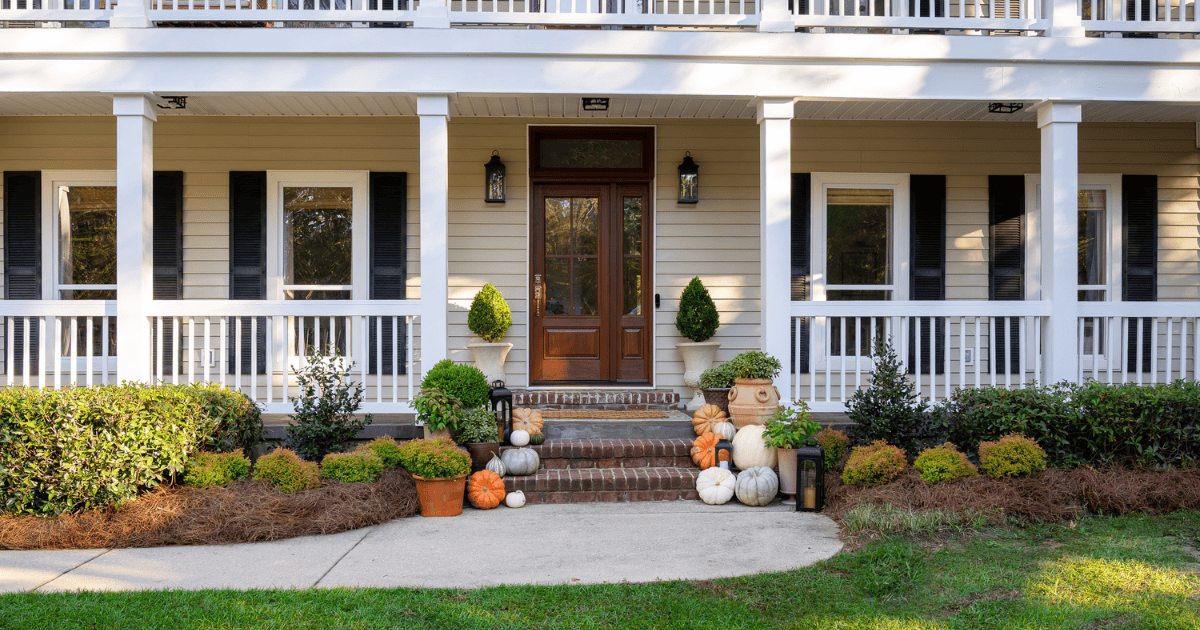
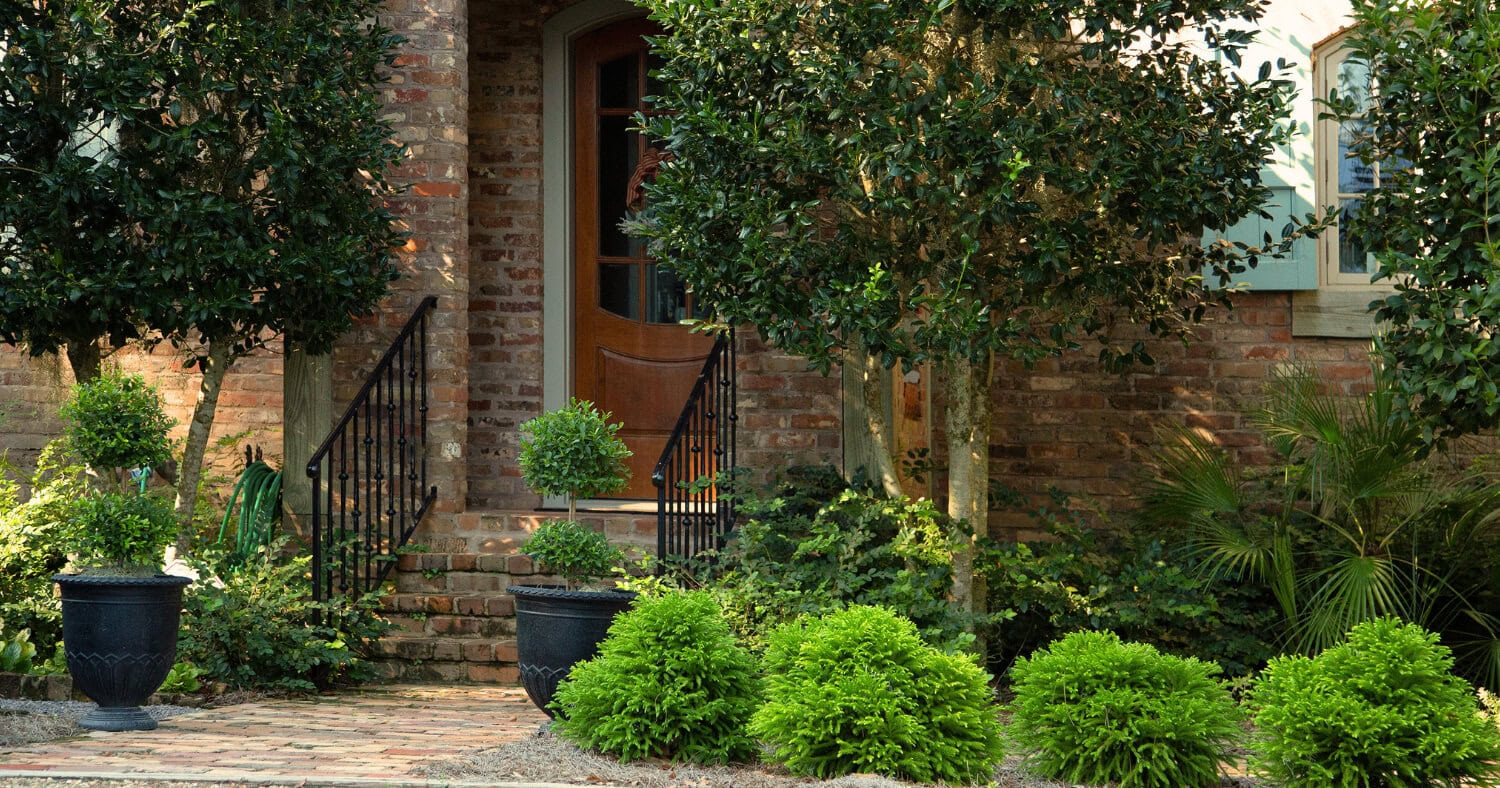
Fall has officially arrived, and as summer color starts to fade, the shapes, layers, and open spaces in the landscape become more noticeable—and that’s when evergreen shrubs really start to shine. A mix of low, rounded, and upright evergreens can give fall plantings the structure they need to feel finished, while also providing year-round color and texture long after seasonal flowers have faded.
That’s where evergreen shrubs earn their keep. Evergreens provide year-round structure, texture, and color, creating the “good bones” that help a fall garden feel polished and complete. By layering evergreen plants with different heights and forms, you can build a landscape that looks beautiful now—and long after the pumpkins and seasonal flowers are gone.
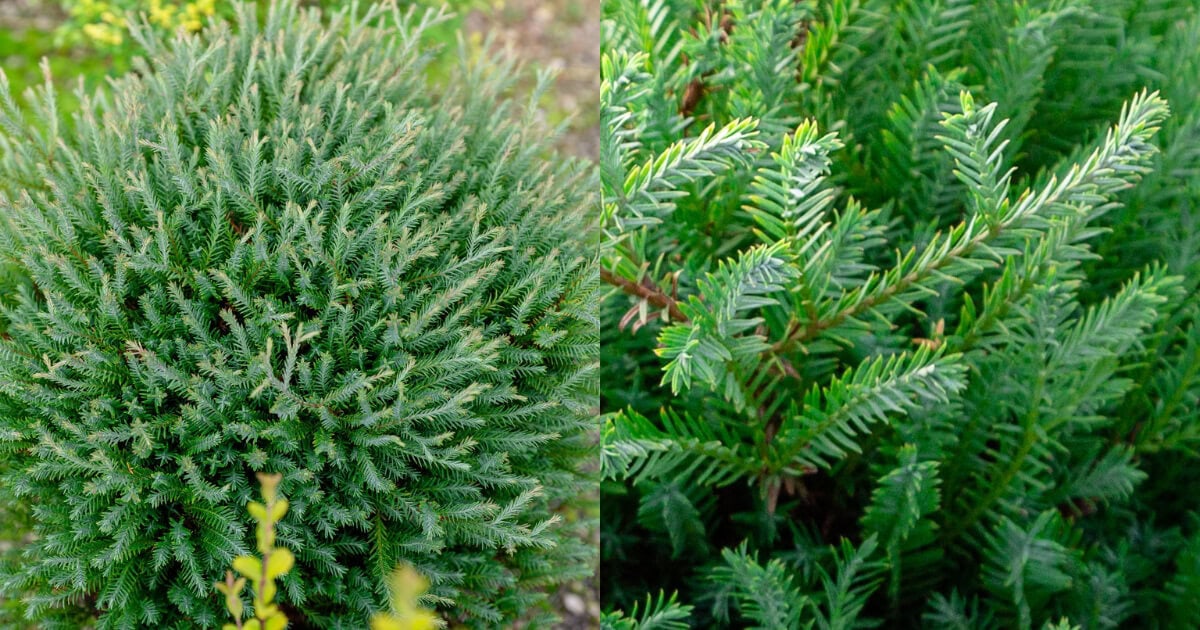
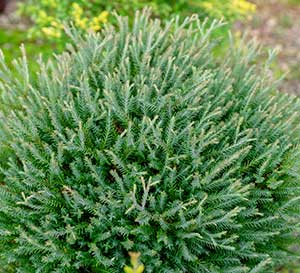
The Low Foreground Layer: Pancake™ Arborvitae
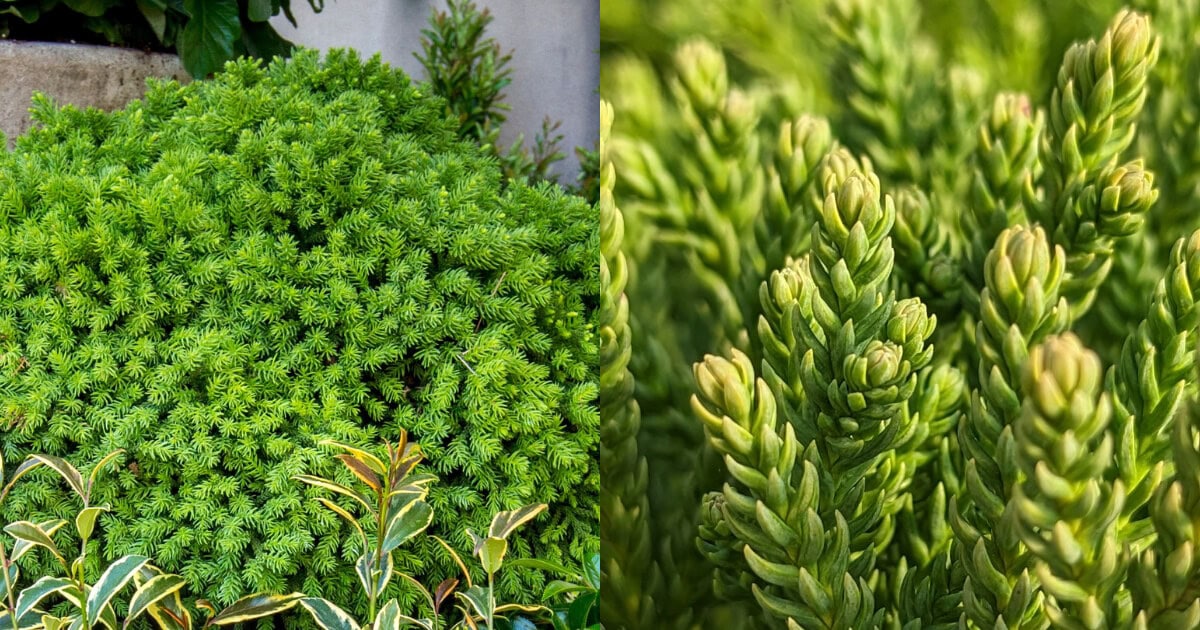
Every layered landscape needs a strong foreground, and Pancake Arborvitae keeps things low and tidy. Its compact form creates a soft evergreen layer along walkways, borders, and the front of foundation plantings. Sage-green foliage adds texture during the growing season before taking on blue tones in winter, giving the garden another layer of seasonal interest. Because of its naturally low-growing habit, Pancake is especially useful when you want evergreen structure without blocking the plants behind it.
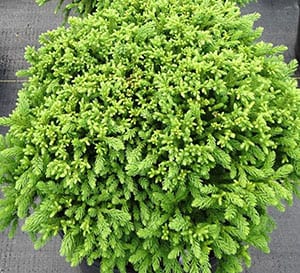
The Rounded Middle Layer: Dragon Prince™ Cryptomeria
Next, build out the middle of the planting with Dragon Prince Cryptomeria. This compact evergreen shrub forms a rounded mound of fine-textured, light-green foliage. Growing wider than it is tall, Dragon Prince helps bridge the gap between lower-growing evergreens and taller vertical plants while bringing fullness to garden beds and foundation plantings. Its dense shape also makes it a useful choice for borders, low hedges, mass plantings, and containers.
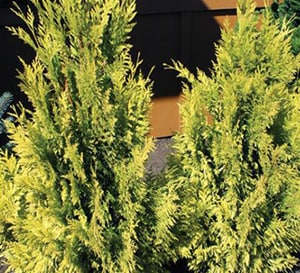
The Tall Background Layer: Forever Goldy Arborvitae
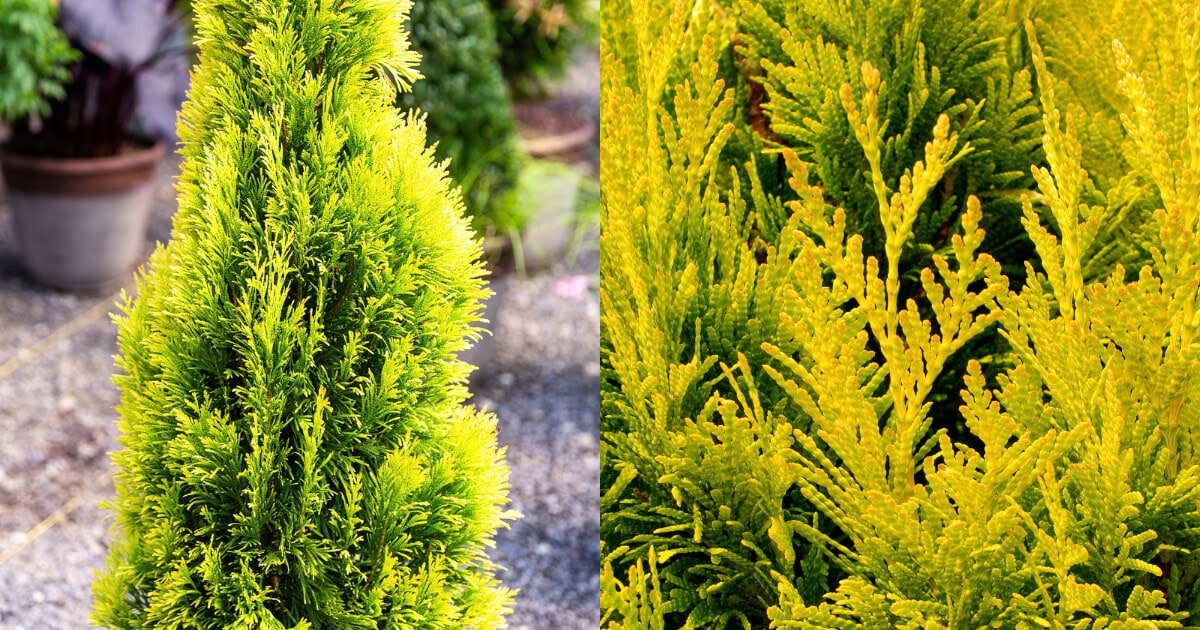
Finish the arrangement with a taller evergreen that gives the eye somewhere to land. Forever Goldy Arborvitae brings an upright, pyramidal form and bright golden foliage to the landscape. Reaching approximately 10–12 feet tall while staying relatively narrow, it can provide height without taking over the garden bed. Use it toward the back of a layered planting, beside an entryway, or anywhere you need a strong vertical accent. Its golden color also creates contrast against deeper green evergreen shrubs.
Layer Seasonal Color Around Your Evergreen Shrubs
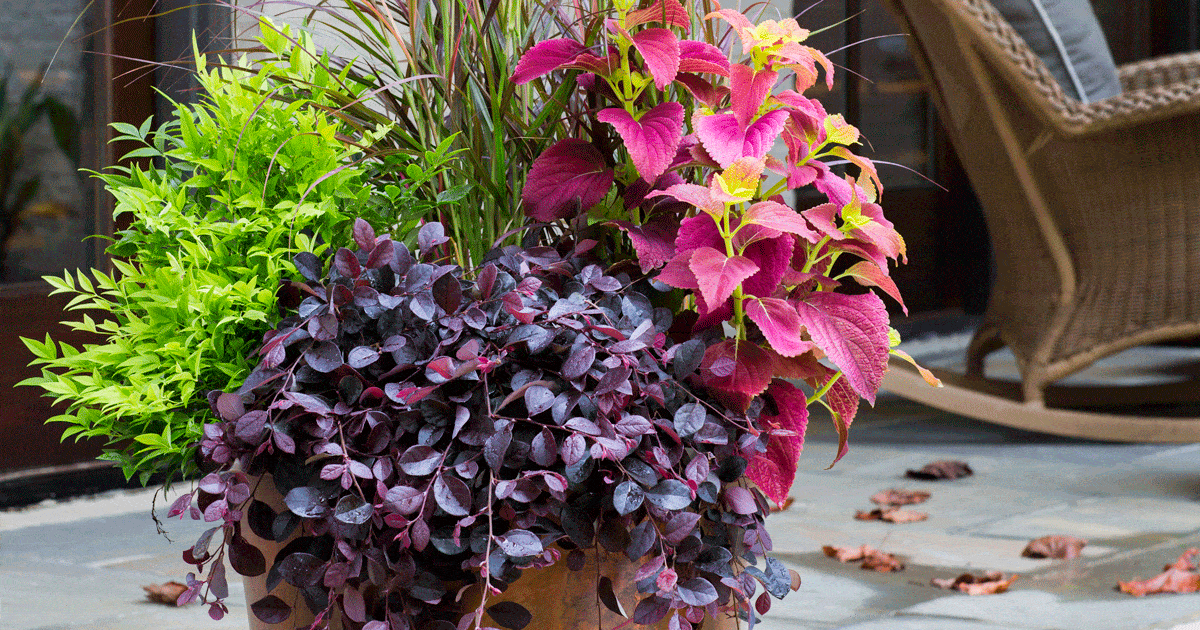
Once the evergreen structure is in place, the fun part is filling in around it. Try adding mums, pansies, violas, ornamental grasses, pumpkins, or other seasonal favorites wherever you want an extra burst of fall personality. Because the evergreens provide lasting structure, those temporary accents can come and go without leaving the landscape looking bare. Think of it as putting your garden in its Sunday best: start with good bones, layer in plenty of texture, then add just enough fall color to show out a little.
Build a Landscape That Lasts Beyond Fall
The beauty of planting evergreens in fall is that their work doesn’t end when the season does. Evergreen shrubs bring structure through winter, create a dependable backdrop for spring flowers, and help give summer borders depth and contrast. Instead of simply filling an empty space for one season, you’re building a framework that can keep the landscape looking pulled together all year long. If fading summer color has revealed a few gaps in your garden, this is a good time to build from the ground up with evergreen plants that are in it for the long haul!
Explore Southern Living® Plant Collection Conifers online and in-store to start your fall garden refresh today!