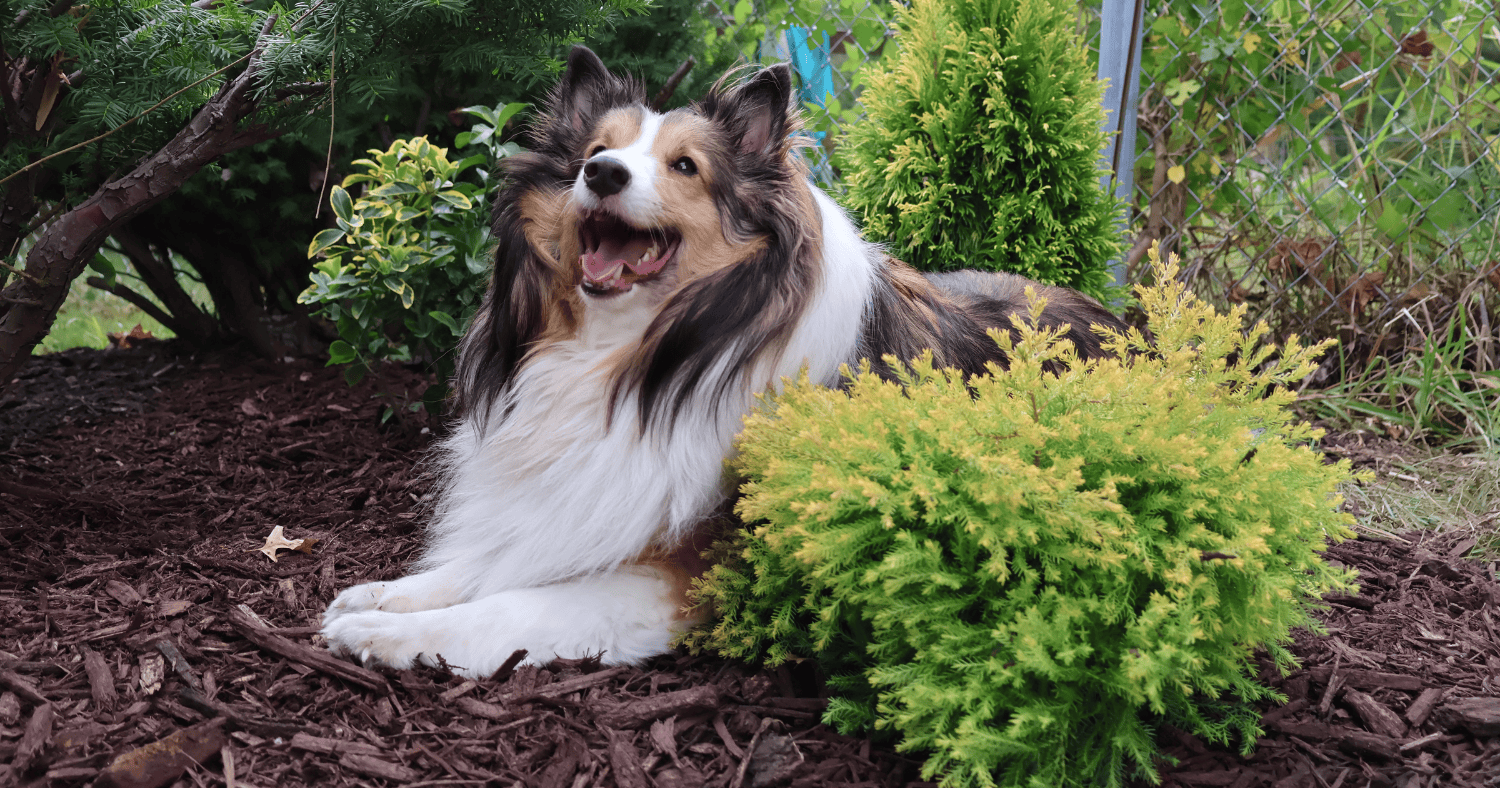
This guide will help you find pet-friendly plants that are safe for your furry companions and can withstand the extra stresses pets place on a garden. Whether you’re looking for cat-safe plants, dog-friendly plants, or colorful pet-friendly flowers, these tips and recommendations will help you design a garden that’s as beautiful as it is pet-safe.
Pet-Safe Picks
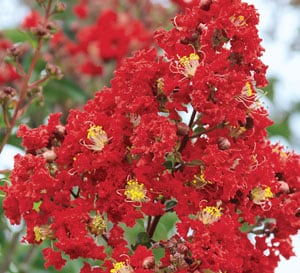
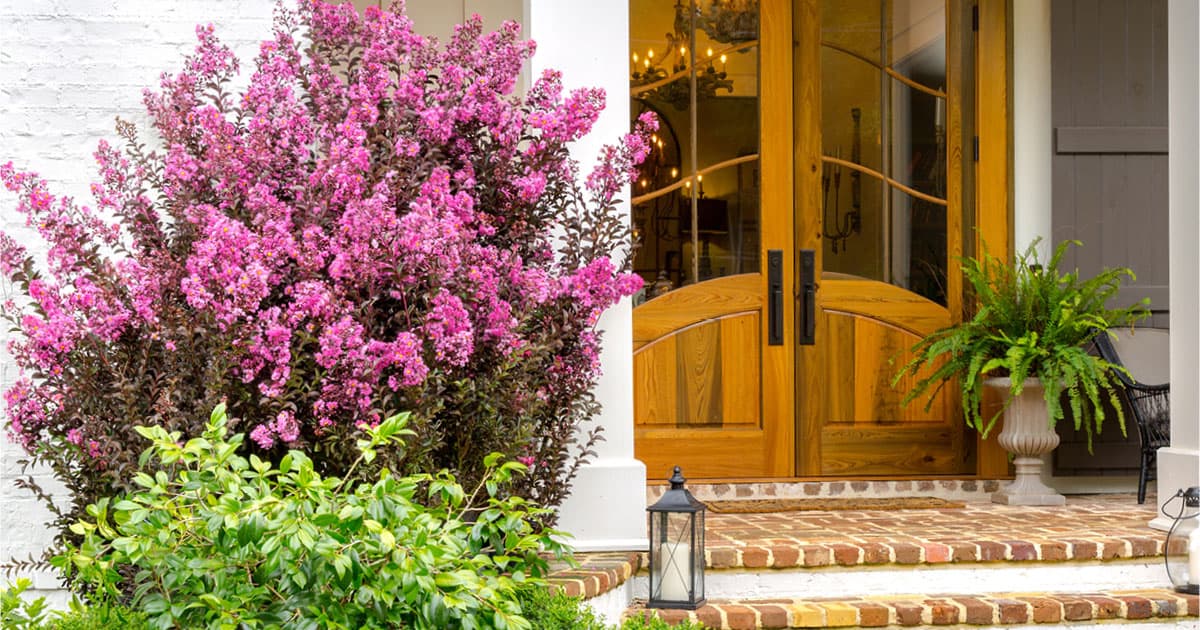
Some plants make better, um, “fire hydrants” than others. Pet-safe plants like Spiraeas, Viburnums, Pittosporums, and Crapemyrtles are all rather tolerant of Rover lifting his leg. You’ll also want shrubs that handle heavy pruning and soil compaction—common side effects of curious cats and energetic dogs.
Both dogs and cats often find their favorite shady spots under shrubs. These repeated visits compress the soil in the root zone, so choosing tough, dog-friendly plants and cat-friendly plants is key.
Here are some of the toughest pet-friendly shrubs in the Southern Living Plant Collection, all of which are non-toxic and safe for pets:
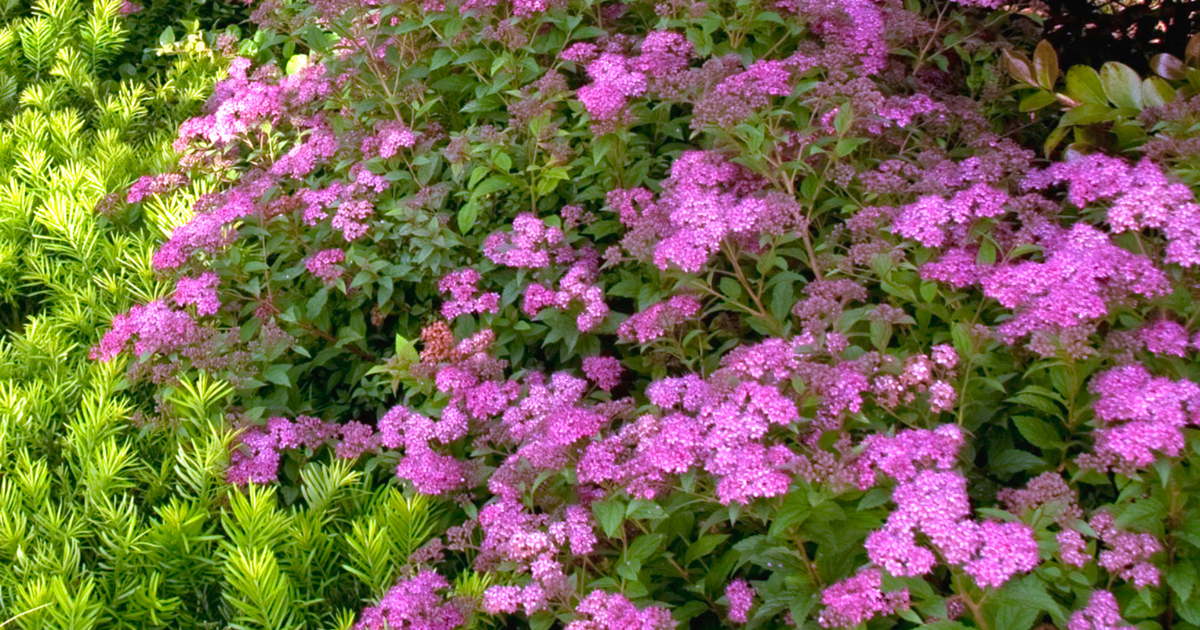
Little Bonnie™ Dwarf Spiraea
A compact, heat-tolerant shrub with blue-green foliage that holds up beautifully in the Deep South. It produces profuse lavender-pink blooms in spring with sporadic flowers through summer, making it a colorful, dog-friendly choice for borders, containers, and mass plantings.
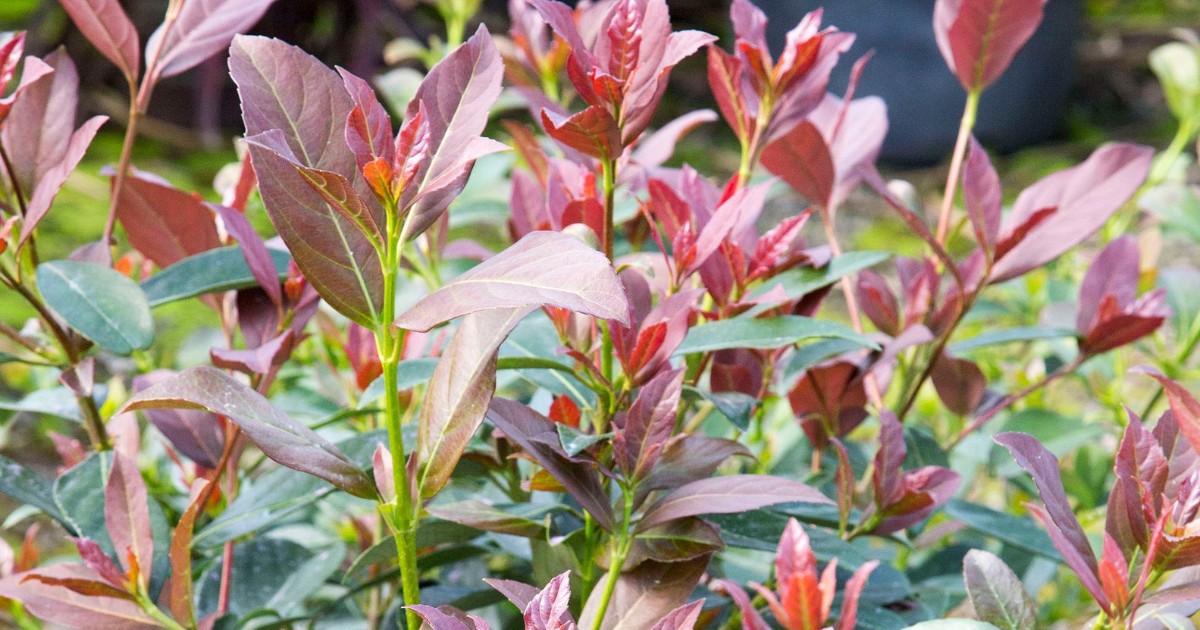
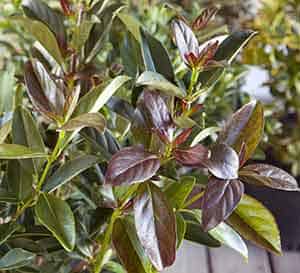
Coppertop™ Sweet Viburnum
A low-maintenance evergreen shrub with glossy dark green foliage and brilliant coppery-maroon new growth that returns after pruning. Fast-growing and durable, it’s a standout choice for hedges, privacy plantings, or adding year-round structure to dog-friendly landscapes
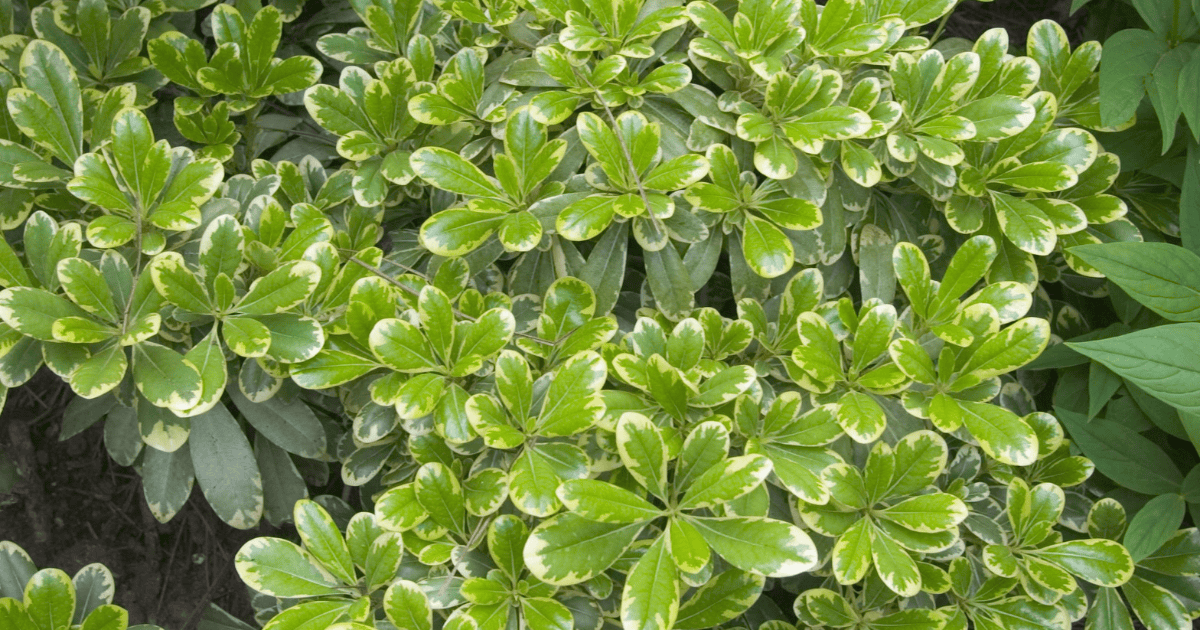
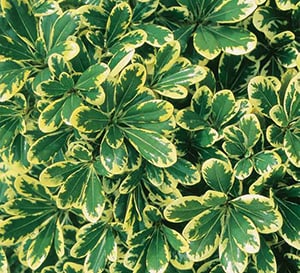
Mojo® Pittosporum
A tough dwarf evergreen with glossy variegated foliage, a compact 3′ x 3′ habit, and better cold hardiness than many pittosporums. Great for hedges, foundation plantings, and coastal gardens, it brings year-round color to shady, dog-friendly spaces.
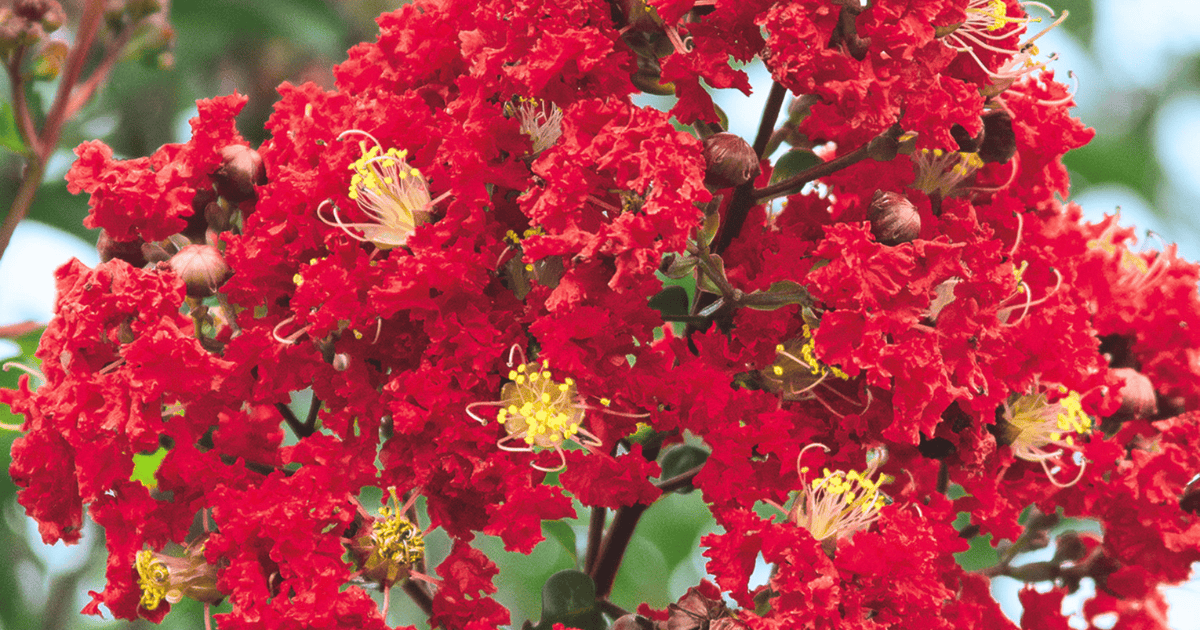
‘Miss Frances’ Crapemyrtle
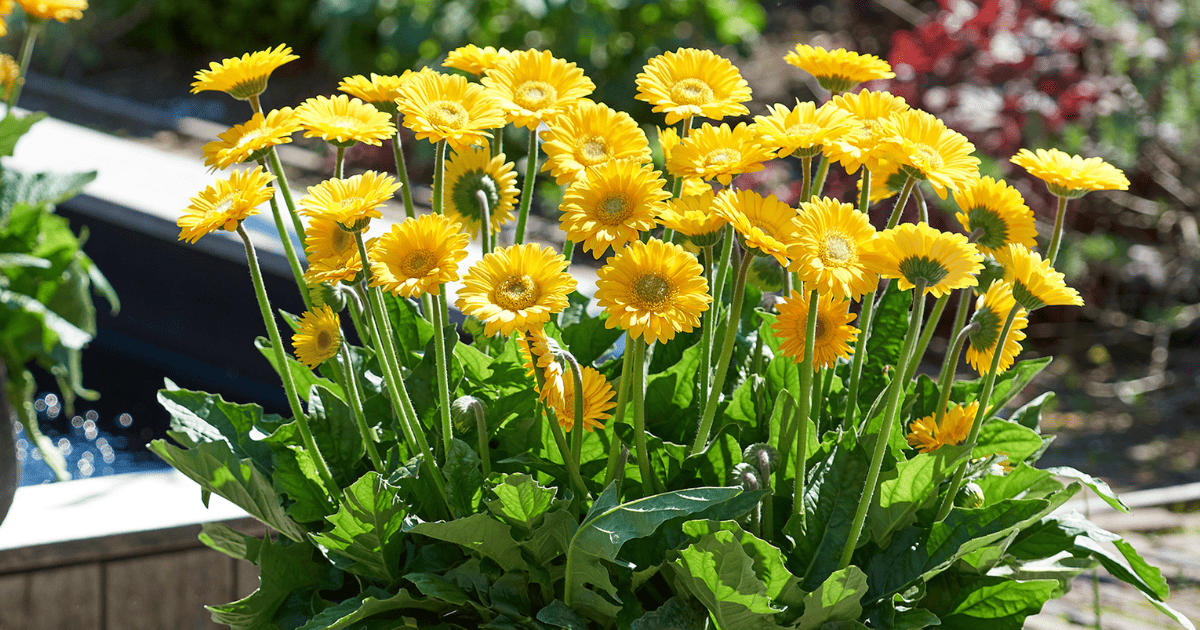
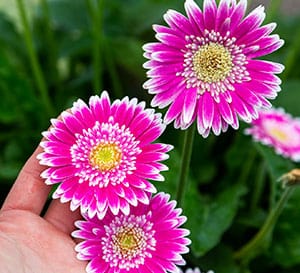
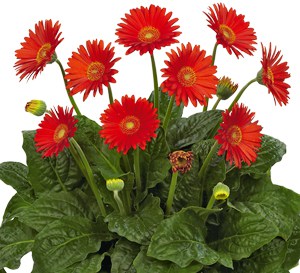
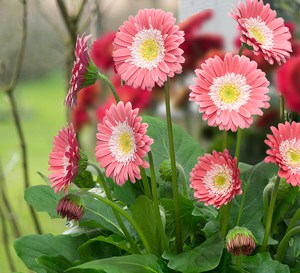
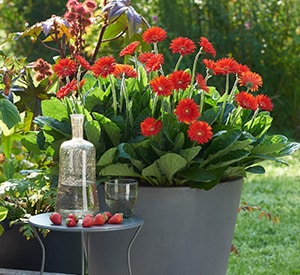
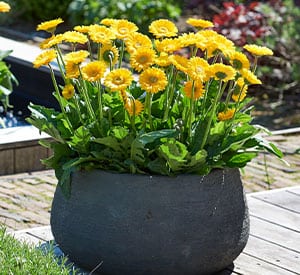
Yellow Garden Jewels™ Gerbera Daisies
Brilliant yellow blooms from spring to fall, with up to 100 flowers per plant. Tough, heat-tolerant, and resistant to pests and disease, it’s a cheerful, dog-friendly choice for containers, borders, edging, and cut flower gardens.
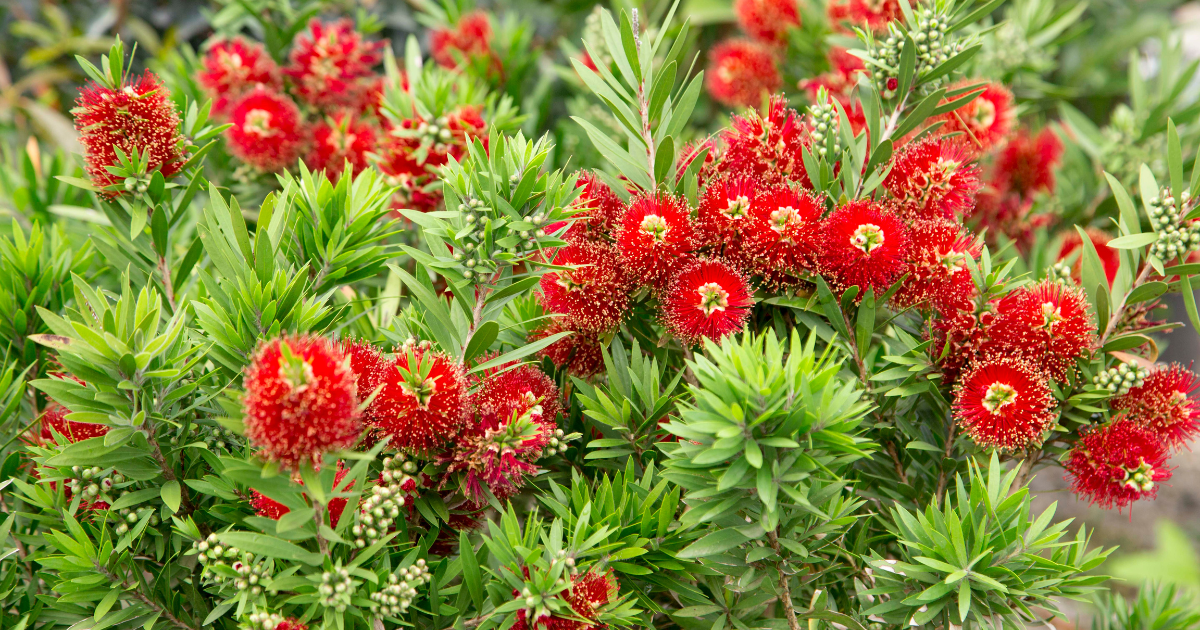
Light Show® Bottlebrush
A tough, water-wise evergreen shrub with emerald green foliage and striking red bottlebrush flowers from spring into summer. Drought- and salt-tolerant, it’s a beautiful dog-friendly choice for sunny borders, coastal gardens, containers, hedges, and poolside plantings.
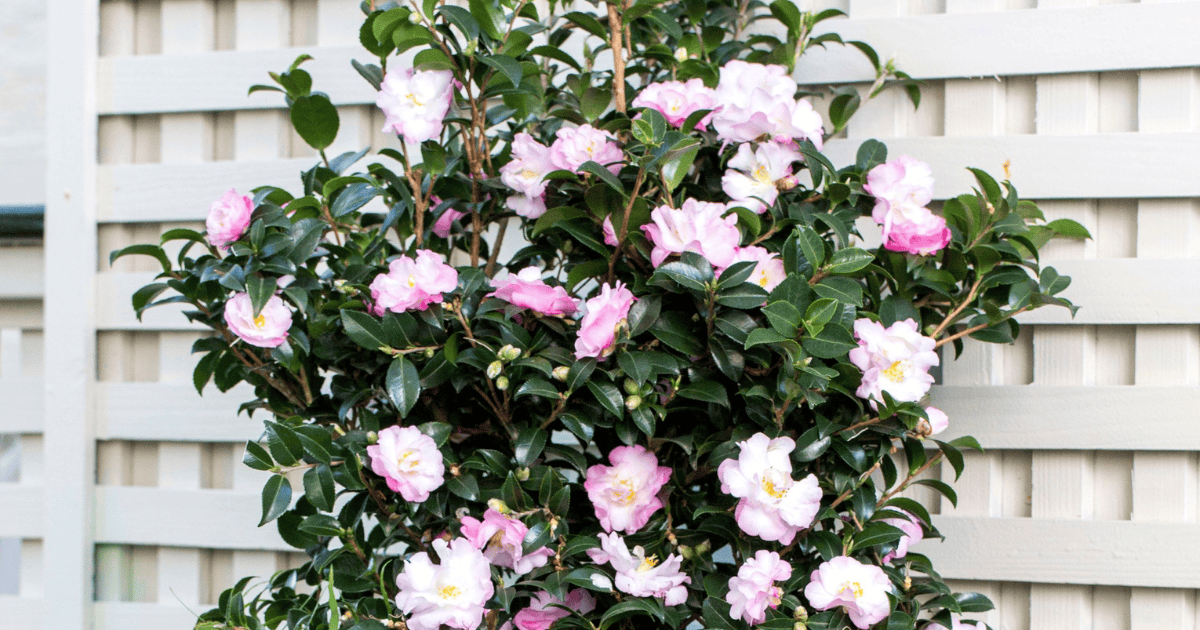
Garden Design Tips for Pet Safety and Comfort
Creating a garden that welcomes pets doesn’t mean sacrificing beauty. A pet-friendly garden works best when it’s designed around how your furry friends already use the yard. Before planting, watch where they run, rest, dig, sniff, patrol, or lounge, then plan around those habits.
Leave Room to Roam
Keep an open turf area where pets can run, play, stretch out, and burn off energy. Giving them a clear space for activity can help keep them from dashing through garden beds.
Create Clear Pathways
Pets often follow the same routes through the yard. Dogs especially love to patrol the perimeter, so leave a narrow path between fences and planting beds. Use paw-friendly materials like smooth gravel, flagstone, or mulch, and avoid anything sharp.
Add Shady Resting Spots
Both cats and dogs appreciate a cool place to rest. Use shrubs, trees, covered patios, or shaded corners to create comfortable spots where pets can escape the heat.
Protect Delicate Plants
Place fragile flowers deeper in beds, away from busy edges, pathways, and play zones. Raised beds, low edging, dense planting, and sturdy shrubs can help protect more delicate plants from trampling or digging.
Plan for Favorite “Pit Stops”
Pets often choose the same spots over and over again. If needed, create a designated area that is easy to clean and away from delicate plants to help protect the rest of the garden.
Think About Cat-Friendly Perches
Cats like a good view. Elevated platforms, sturdy benches, wide container edges, or garden structures can give them a place to perch and survey the yard without disturbing planting beds.
Use Smart Barriers
Low fences, edging, rocks, raised beds, dense plantings, or wire mesh under mulch can gently guide pets away from areas you want to protect.
Avoid Risky Garden Materials
Skip cocoa mulch, thorny plants near play areas, and harsh garden chemicals where pets roam. Store fertilizers, pest controls, compost, and tools securely and out of reach. If you use any garden product, read the label carefully and keep pets away from treated areas for the recommended amount of time.
Keep Fresh Water Nearby
Always make sure pets have clean water available when they spend time outside. A shaded water bowl or pet fountain can help keep them comfortable while they enjoy the garden.
Ready to start planting? Shop these pet-friendly plants and more online or find a garden center near you to bring these picks home today!
Always monitor your pets outdoors and discourage them from chewing on plants, mulch, or garden materials. When in doubt, check a trusted toxic and non-toxic plant list, such as the ASPCA’s plant database, or contact your veterinarian before adding new plants to your yard.